The initiative to establish a museum came from the Society for Prehistory and Local History, which was founded on 14 February 1924. The museum was opened on 22 September 1924 in two rooms in the attic of what was then the Pestalozzi School, now the Karl Liebknecht School.
The collection grew steadily in the following years. Wolfgang Wanckel, a shipowner and harbour owner from Schönebeck, played a major role in the rapid development of the museum. After the death of Prof. Albert Mennungs, Wolfgang Wanckel took over the management of the museum. He rendered outstanding services through numerous archaeological excavations, particularly in the former Welsleber gravel pit. Here he also found an extremely rare specimen of a water buffalo (Bubalus murrensis).
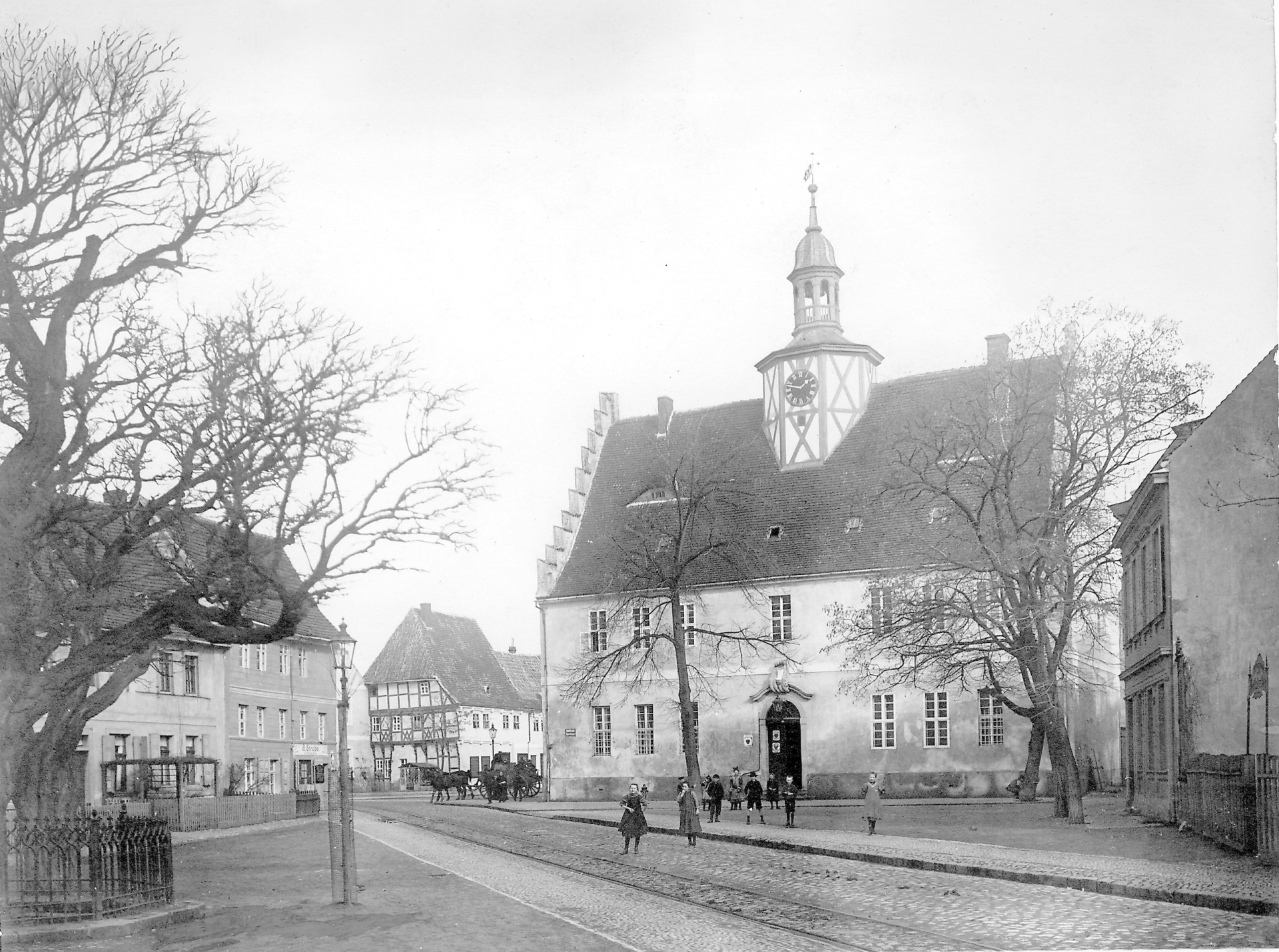
However, a suitable building had to be found for the holdings of the Schönebeck District Museum (then part of the district of Schönebeck), which had grown into a huge collection. In 1954, the former town hall of Salzelmen was made available for the establishment of the Schönebeck District Museum. This building is one of the oldest houses in the town; the southern part was already standing before 1400. The clock bell dates back to 1428.
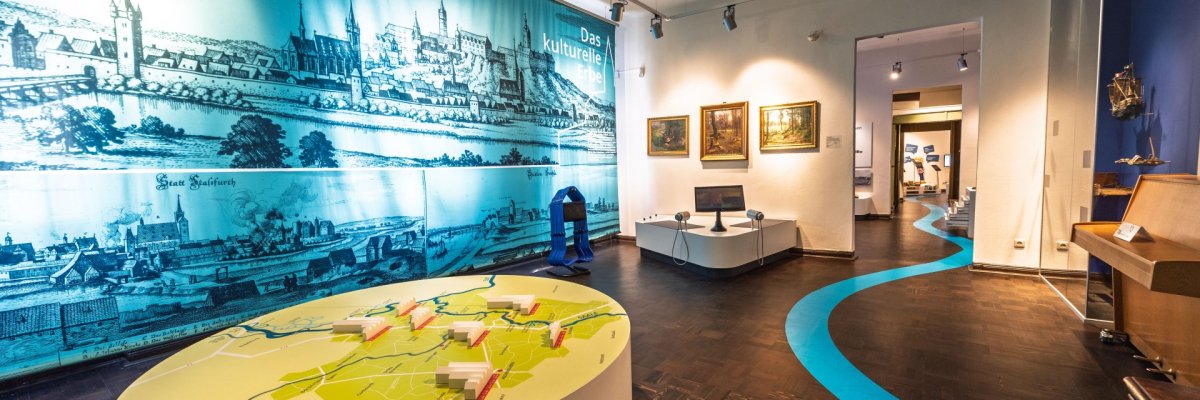
Remodelling and renovation work began in the building in the 2000s. Between 2014 and 2016, three new permanent exhibitions were opened: Salzspu(e)ren, LebensStröme and the room on the Pömmelte ring sanctuary with the original excavation finds from the circular ditch. The past few years (2021-2024) have been characterised by the thorough renovation of the building's exterior.
Salzland district