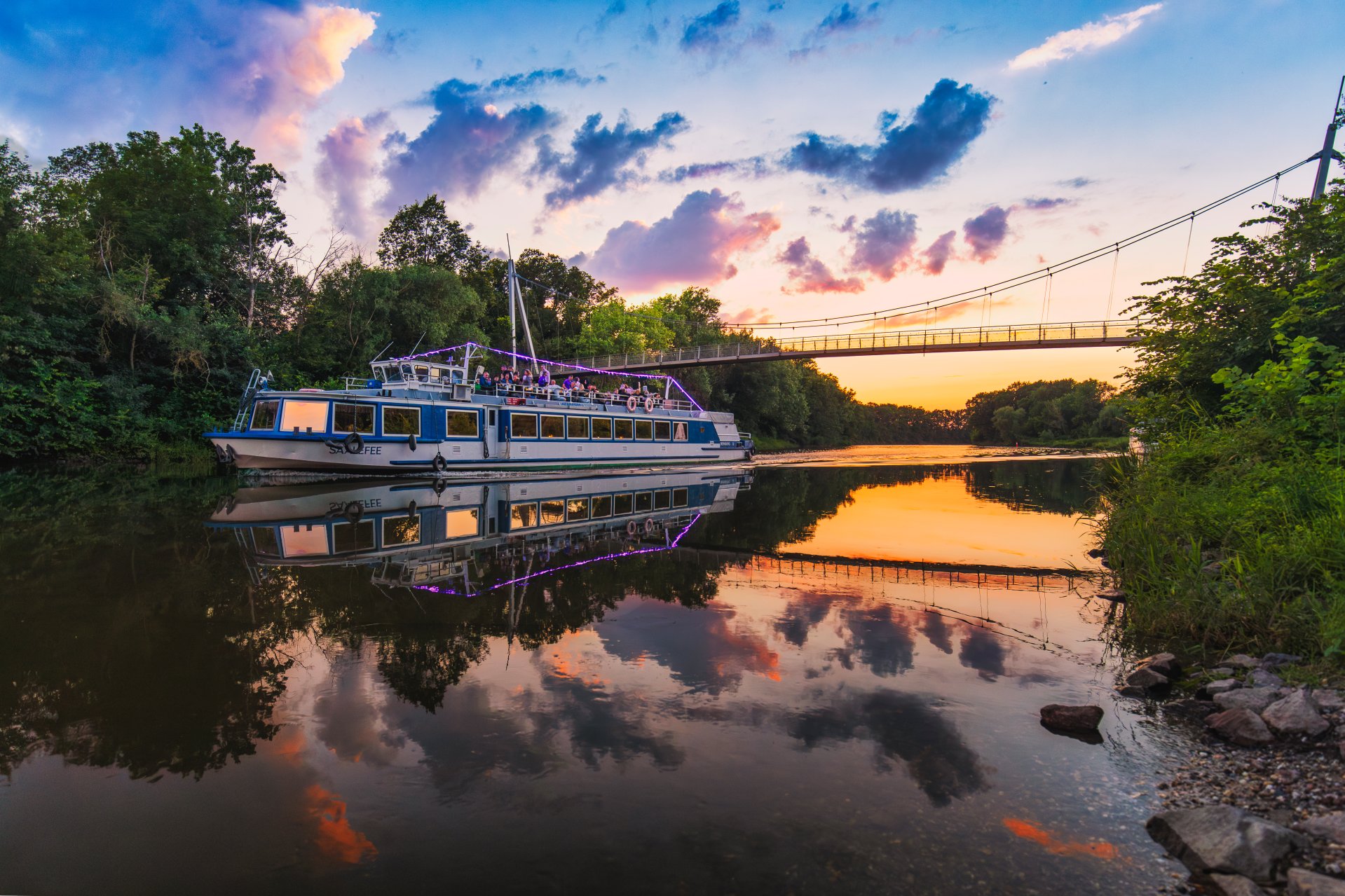
MITTENDRIN in Germany and Saxony-Anhalt – active. collaborative. connected. The Salzlandkreis district shapes the rural landscape along a line from Magdeburg to Halle. It was formed in 2007 from the former districts of Aschersleben-Staßfurt, Bernburg and Schönebeck, which merged during the regional reform at that time.
Salzlandkreis - the name refers to a unifying element that brought income, even prosperity and global significance to the region from Schönebeck and Staßfurt, Bernburg to Aschersleben. The centuries-long tradition of salt extraction, mining and processing continues to this day. To this day, the modern potash and soda industry contributes to the overall economic success. The salt tradition is even reflected in the district's coat of arms. The national emblem is based on the coat of arms of medieval Groß Salze (today Schönebeck/Bad-Salzelmen), a town rich in salt mines.
The Salzlandkreis district in its current form is an attractive place to live, work and study, home to around 180,000 inhabitants across an area of 1,400 square kilometres. They live and work in 11 municipalities and 2 associations of municipalities. The district capital and headquarters of the district administration is the town of Bernburg (Saale).
Statistical data
- Area: 1,426 square kilometres
- Population: 189,125 (as of 31 December 2024)
- Population per square kilometre: 130.08
- Unified parishes: 11
- Associated municipalities: 2
- Neighbouring districts:
- North: Börde district, state capital Magdeburg, Jerichower Land district
- East: District of Anhalt-Bitterfeld
- South: Saalekreis, Mansfeld-Südharz district
- West: Harz district
Economy & Science
Salzland district
The central location with favourable infrastructural conditions and transport connections opens up far-reaching development opportunities for companies.
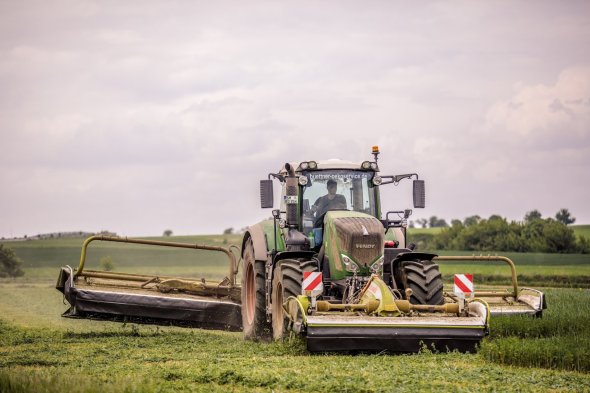
In the district, industrial companies with global sales operate alongside medium-sized and small companies, sometimes in co-operation with them. The main sectors are aluminium processing, plant and mechanical engineering, chemicals and plastics as well as the food industry. Salt continues to be mined, processed and exported on a significant scale.
Agriculture also characterises the region. The soil quality in the Magdeburger Börde region was and is the basis for the high-yield cultivation of cereals, sugar beet and onions as well as spice plants.
Scientists and breeders in the region, such as at the renowned Leibniz Institute of Plant Genetics and Crop Plant Research, have set themselves the task of ensuring that traditional crops and some new ones continue to thrive in the future. Research, science and teaching for bright minds and the next generation are also available locally at the Anhalt University of Applied Sciences, the Drone Test Centre of the German Aerospace Centre and the Saxony-Anhalt Police University of Applied Sciences.
Cultural landscape & tourism
© Thomas Engst
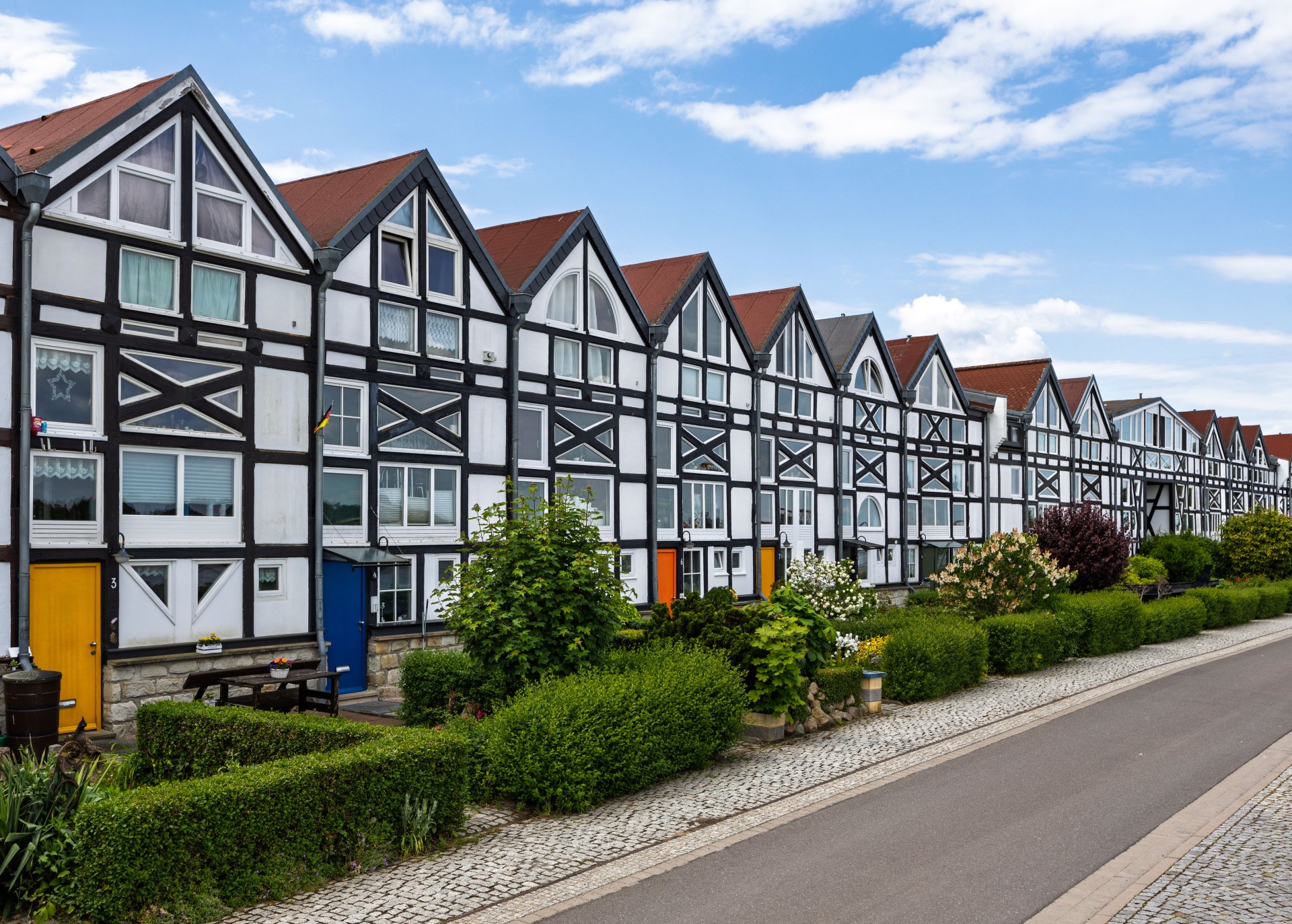
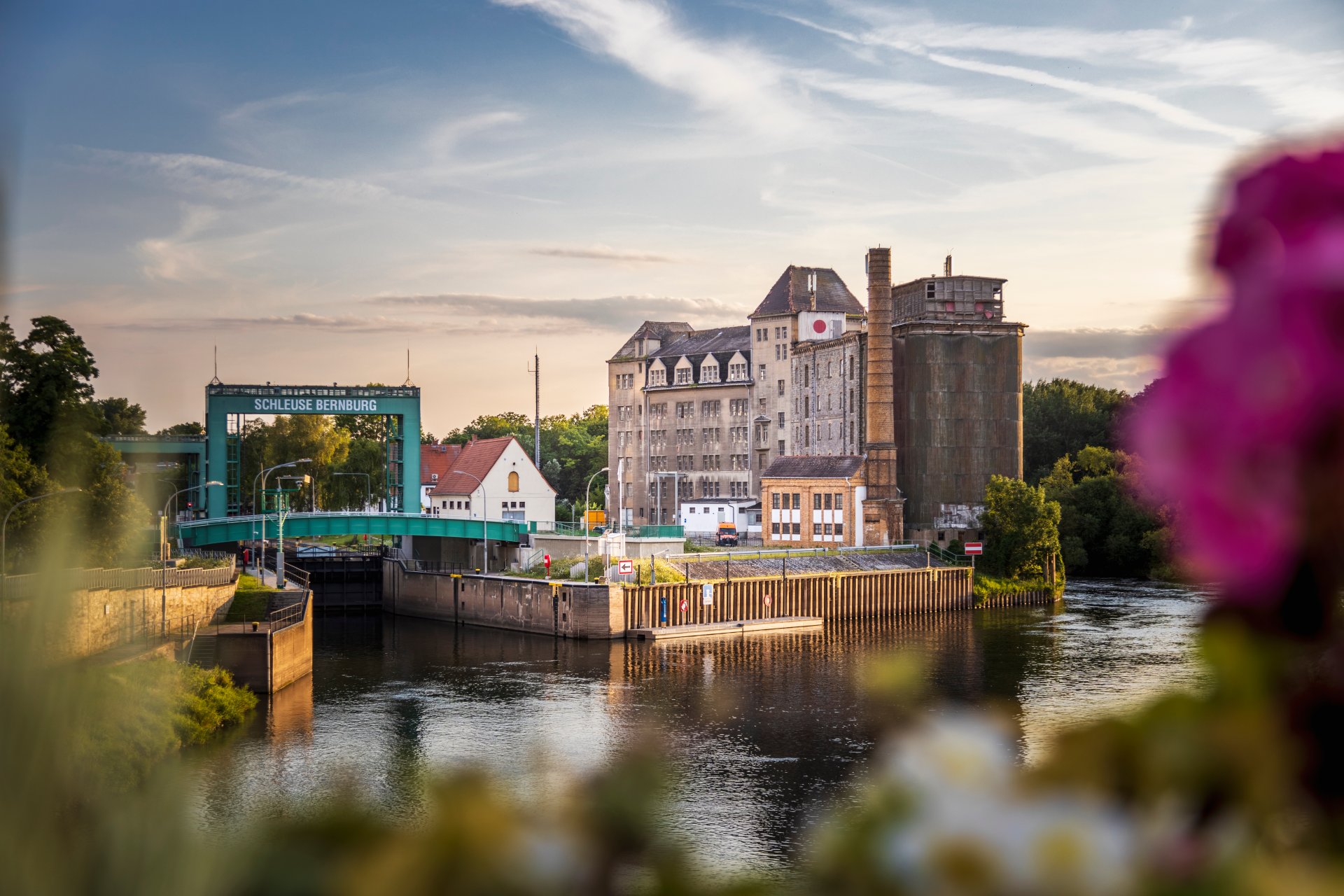
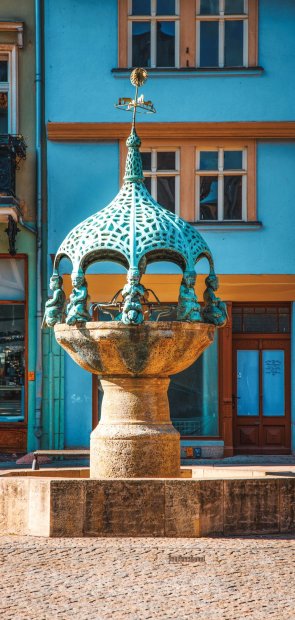
Locals and visitors alike appreciate the balanced nature, fields, meadows and river landscapes along the Elbe, Saale and Bode rivers, as well as the cultural treasures, monuments, churches, old manor houses in the villages and castle complexes in the towns, and the cultural and leisure activities on offer.
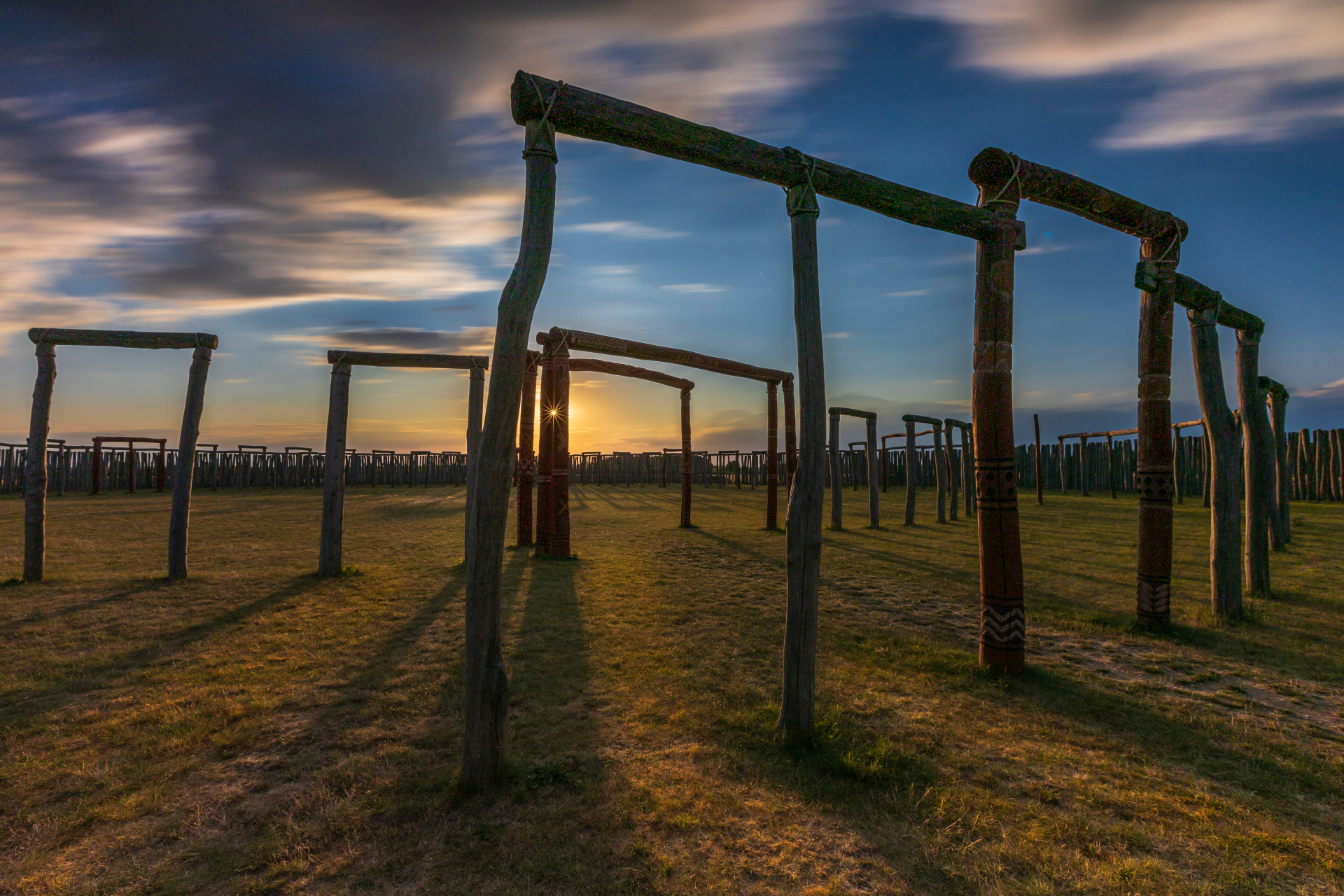
The absolute highlight is undoubtedly the Pömmelte ring sanctuary. The German Stonehenge, as the circular ditch complex with wooden palisades is also known, is a faithful reconstruction following extensive excavations and scientific research. Supplemented by a viewing tower and modern visitor centre, the Pömmelte ring sanctuary now provides tourists with vivid information about the millennia-old history of settlement and is the latest addition to the Sky Paths tourism route in Saxony-Anhalt.
The Romanesque Road, the Luther Trail and the St James' Pilgrimage Route connect destinations in the Salzland district on a supra-regional level. And within the district, the Salzländer Kulturstempel also attracts visitors from outside the region with incentives to collect and explore.
This is also made possible by attractive cycling, hiking and water trails. The Elbe and Saale cycle paths, the R1 European cycle path and new moorings for small boats on the Saale and Bode rivers lead into the region and entice visitors to enjoy nature-based active tourism.
The Mitteldeutsche Kammerphilharmonie Schönebeck sets the tone for relaxation and recreation with cultural enjoyment, while the Carl Maria von Weber Theatre in Bernburg and the Salzland Theatre in Stassfurt provide the stage. The Neo Rauch Graphic Foundation in Aschersleben is a permanent exhibition space for the contemporary artist star and son of the town
Culture in the countryside and a lively community can work, as demonstrated by examples such as the cabaret and horse festival in Aschersleben, the Salzland and Bollenfest in Staßfurt and Calbe and numerous other traditional regional festivals.
How further
© Thomas Engst
Rural areas are facing growing demographic, infrastructural and economic challenges. This is also true in the Salzlandkreis district. The predicted ongoing population decline, ageing and migration trends in society and the world of work are forcing the district to take strategic action. The answer: a regional strategy for the future in key areas. The administration and civil society are networking with science and industry. Bringing creative minds and data together, thinking and acting together – that is the guiding principle: active. together. networked.